Restorative Dentistry – Denver, CO
Custom-Crafted, Lifelike Tooth Repairs & Replacements
Dental damage and lost teeth can happen for a variety of reasons, such as an unpreventable accident or declining oral health. No matter how your teeth became compromised, it’s important to address the situation before it has an opportunity to get worse. At our practice, we want our patients to feel confident in their repaired smiles, which is why we use high-quality, biocompatible materials to craft lifelike options for restorative dentistry.

Why Choose Paradise Dentistry Denver for Restorative Dentistry?
- Dentist with 17+ Years of Experience
- Clean, Relaxing Atmosphere
- State-of-the-Art Dental Office
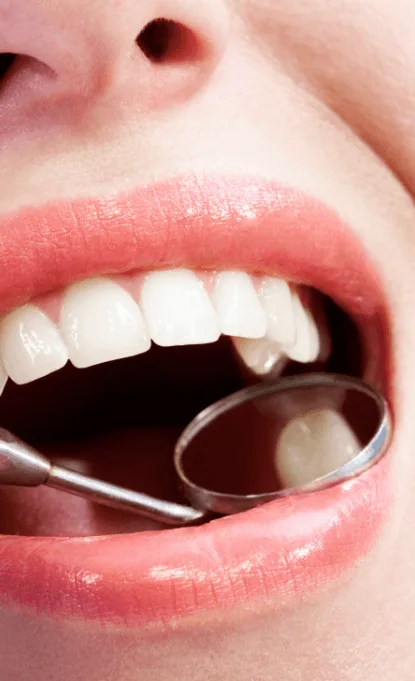
Tooth-Colored Fillings
Cavities are one of the most common oral health problems in the United States, and even though they’re preventable, most people have had at least one. If you have a tooth that’s showing signs of decay, our team can restore and protect it with a tooth-colored filling. These are made from a biocompatible composite resin that is custom-shaded to match the shade of your natural enamel. The material also chemically fuses with your tooth, providing long-lasting, trusted protection from harmful oral bacteria.
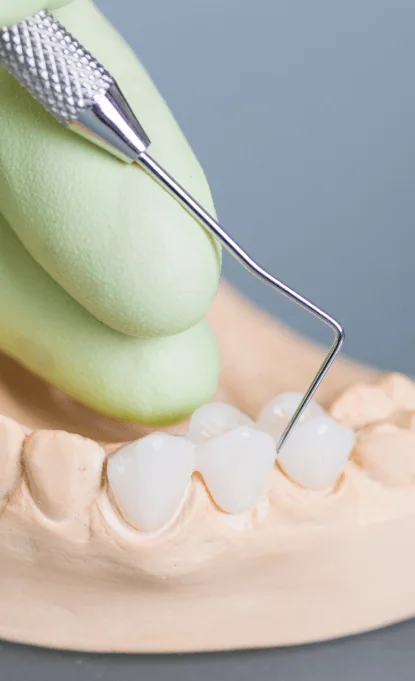
Dental Crowns & Bridges
Dental crowns and bridges are two different types of restorations. Crowns are used to restore the structure and size of damaged or severely decayed teeth, while bridges replace consecutive missing teeth by literally bridging a gap in your smile. They’re both crafted from durable dental materials like ceramic and porcelain to resemble natural teeth as well as withstand everyday use.
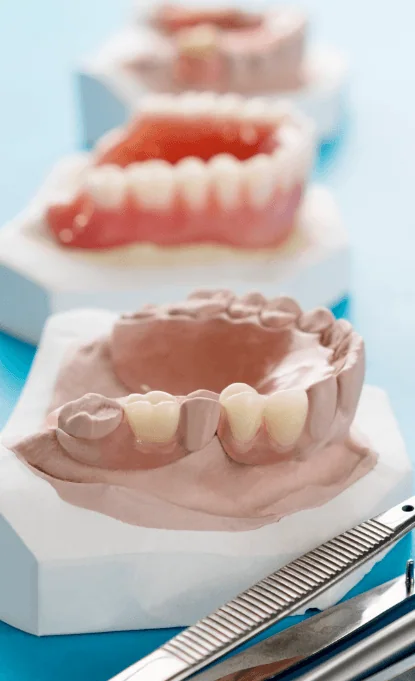
Dentures
If you’re missing several teeth or an entire row, a full or partial denture can help you regain the complete function and appearance of your smile. They’re both crafted from a gum-colored acrylic base that holds porcelain or ceramic, customized prosthetic teeth in place. Full dentures use natural suction to stay secure within the mouth, while partials are specially designed to fit like a puzzle piece between your existing teeth with small metal clasps.
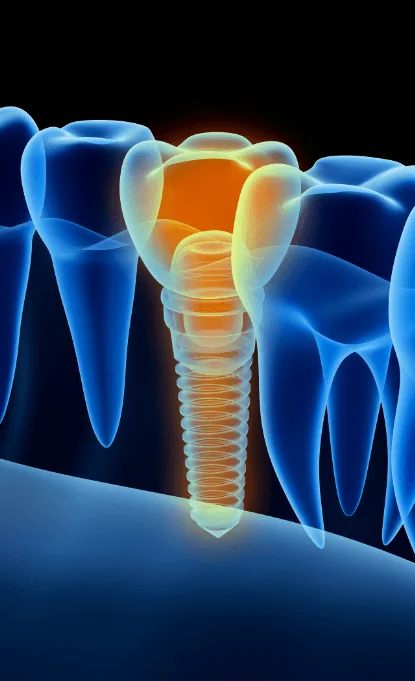
Dental Implants
For patients who are looking for a more permanent alternative than traditional bridges and crowns to replace their missing teeth, we also offer dental implants. This treatment combines the best aesthetic benefits of traditional restorations with a strong and stable foundation of new titanium roots to renew the entire structure of missing teeth. Not only does this unique design look completely natural, but it allows replacement teeth to last nearly four times longer than traditional dentures or bridges, making dental implants a worthwhile investment.
More to Explore
Questions Denver Dental Patients Ask
How is a filling different from a crown?
A filling repairs a portion of a tooth, while a crown covers more of the tooth’s outer structure. The extent of damage and remaining support help determine the appropriate restoration.
Can a damaged tooth always be saved?
Not every damaged tooth can be restored. An examination helps determine whether preservation is feasible and whether treatment, referral, or extraction should be considered based on the findings.
What options replace missing teeth?
Depending on the patient, options may include a bridge, denture, or implant restoration. The team can explain how the choices differ in support, treatment steps, cleaning requirements, and cost.
Can patients discuss the appearance of a restoration?
Yes. Patients can discuss their preferences for shape and shade before treatment. The plan also considers fit, bite, and the condition of the surrounding teeth so appearance is evaluated alongside function.
What should patients ask before restorative treatment?
Useful questions include why the restoration is recommended, which alternatives exist, how many visits are expected, and how the finished restoration should be maintained. Fees can be reviewed before care begins.
Restorative Dentistry in Denver: Repair Choices and Long-Term Care
1. Different restorations solve different problems. A filling repairs a defect, a crown covers a tooth, and a bridge or denture replaces missing teeth.
2. Remaining tooth structure matters. The amount and condition of the remaining tooth influence whether a filling or a more extensive restoration is appropriate.
3. Appearance and function are planned together. Patients can discuss shade and shape alongside chewing comfort and the way the restoration fits the bite.
4. Replacement choices depend on support. The condition of neighboring teeth, gums, and bone helps determine which tooth-replacement options are suitable.
5. Treatment may be completed in stages. A plan can identify which concerns need attention first and which decisions depend on healing or further evaluation.
6. Restorations need ongoing monitoring. Follow-up examinations help assess the restoration and the natural teeth or tissues supporting it.
Published Survival of Dental Crowns and Bridges
These are study-specific estimates from patients who received comprehensive periodontal treatment and supportive care. Survival does not mean freedom from repairs or complications. The results are not Paradise Dentistry & Orthodontics’ own outcomes.
Research findings
- Tooth-supported single crowns: 91% survival at 15 years. [1]
- Tooth-supported fixed bridges: 86% survival at 15 years. [1]
- Implant-supported single crowns: 96% survival at 15 years. [1]
- Implant-supported fixed bridges: 93% survival at 15 years. [1]
Understanding the research
| Research outcome | Reported result | What the research measures |
|---|---|---|
| Tooth-supported single crowns | 91% | at 15 years Estimated survival of crowns supported by natural teeth in the study cohort. [1] |
| Tooth-supported fixed bridges | 86% | at 15 years Estimated survival of fixed bridges supported by natural teeth. This is not complication-free success. [1] |
| Implant-supported single crowns | 96% | at 15 years Estimated survival of the crown restoration, rather than implant placement success. [1] |
| Implant-supported fixed bridges | 93% | at 15 years Estimated survival of fixed implant-supported bridges, rather than removable dentures. [1] |
Sources
[1] Bischof FM, Mathey AA, Stähli A, Salvi GE, Brägger U. “Survival and complication rates of tooth- and implant-supported restorations after an observation period up to 36 years.” Clinical Oral Implants Research. 2024;35(12):1640–1654. DOI: 10.1111/clr.14351. Read the full article.
The retrospective study had substantial loss to follow-up and small implant-restoration groups, which limit generalization.
A Personal Approach to Restorative Dentistry
“When I plan restorative care, I start with what can be preserved and what needs support. I want patients to understand the differences between their options so the final plan addresses the damaged or missing teeth and makes sense for their everyday needs.”
Dr. Shauna Soltani