
Dentures – Denver, CO
Say Goodbye to Your Smile’s Empty Spaces
Do you always find yourself trying to hide your smile from others because of missing teeth? Are you fed up with being unable to enjoy your favorite chewy or crunchy foods? If so, then Dr. Shauna Soltani can rebuild your smile by crafting the perfect set of dentures. People have been replacing their lost teeth with dentures for generations, and they’re only becoming more natural-looking and comfortable as dental technology evolves. If you’re ready to finally say goodbye to your smile’s empty spaces, then call our team today to set up your consultation for dentures!

Why Choose Paradise Dentistry Denver for Dentures?
- Dentist with 17+ Years of Experience
- Relaxing, Spa-Like Dental Office Environment
- In-Network with Many Popular Dental Insurance Providers

Who’s a Good Candidate for Dentures?
If you’re missing several or all of your teeth on one or both arches, then there’s a good chance that you can benefit from dentures. Of course, the only definitive way to learn whether you’re a good candidate for dentures is to schedule a consultation with Dr. Soltani. As an experienced dentist, she can review the status of your oral health, determine whether dentures are the ideal solution for you, and if so, develop a specialized treatment plan to give you your smile back.
Read More: Who’s a Good Candidate for Dentures?
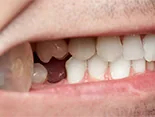
Effects of Missing Teeth
According to the American College of Prosthodontists, the most common reasons behind missing teeth are tooth decay, gum disease, and injuries. When you are missing teeth, you can experience a variety of negative side effects that will affect your daily life. This can include facial sagging, difficulty speaking, trouble eating, and lower self-confidence.

What Qualifies You for Dentures?
For those who have experienced significant tooth loss, extreme tooth sensitivity, and/or lots of decay, but have sufficient, healthy gum tissue and jawbone, dentures are a great option. People who get dentures must also be committed to their dental hygiene routine and willing to properly care for their new smile.
The number of teeth that you are missing will ultimately determine which type of denture is right for you. Dentures tend to be more affordable than other tooth replacement options, making them an ideal solution for patients who are unable to invest a lot of money into their smile at this time.
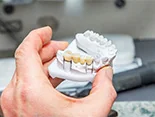
Alternative Tooth-Replacement Options
If you aren’t a good candidate for dentures, you may be a good candidate for another tooth replacement option. Here are the ones that we offer:
- Dental Bridges: Dental bridges are ideal for patients who are only missing one or a few teeth. They require healthy teeth surrounding the missing tooth to support the bridge.
- Dental Implants: Since a titanium post is inserted into the jawbone, patients must have a solid bone structure. This option is more costly than traditional dentures, but it’s made to last numerous decades.
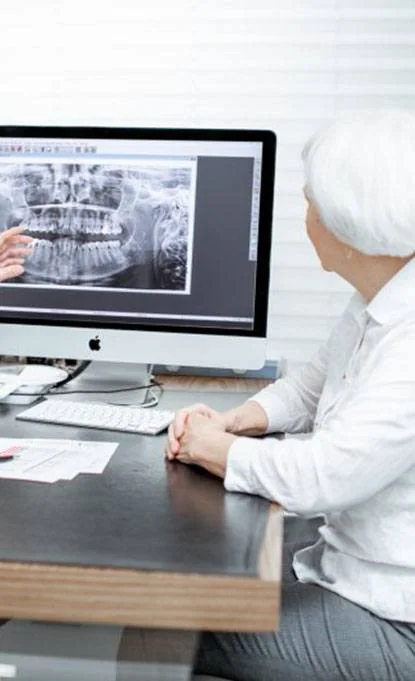
Types of Dentures
The term “dentures” is fairly broad; there are actually three different types of dentures. Depending on the extent of your tooth loss, Dr. Soltani will recommend one of the following:
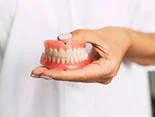
Full Dentures
When most people picture dentures, they think of a full denture. This prosthetic replaces an entire arch of lost teeth with a pink acrylic base that sits on the gums, which stays in place through a natural suction force. Not only are the replacement teeth tailor-made to appear like your old ones, but the base of the denture is designed to fit comfortably over your gums.
Partial Dentures
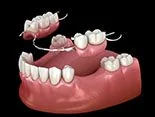
Maybe you still have some teeth left, but there are several gaps along the arch. In that case, you might qualify for a partial denture. Consisting of multiple artificial teeth attached to a metal framework, a partial denture fits behind the remaining teeth with clasps or clips. Once in place, it seamlessly fills the gaps to create a stunningly beautiful and complete smile.
Implant Dentures
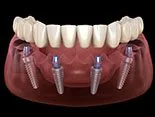
Are you frustrated with your current full or partial denture? Do you want replacement teeth that always stay in place and can last for decades to come? If so, we can secure your denture onto a small number of dental implants that are expertly positioned in your jaw. Implant dentures recreate the entire structure of the teeth and never slip out of place, making it much easier to chew foods, maintain your oral hygiene, and smile confidently.

How Dentures Are Made
Today’s dentures are worlds apart from the versions of the past. At our practice, we believe that every smile is unique – and your dentures should be too. That’s why crafting custom dentures takes time, skill, and attention to detail. Understanding a bit about how they’re made can help you appreciate the care that goes into creating your new smile. Read on to learn more!
Read More: How Dentures Are Made
What Are Dentures Made Of?
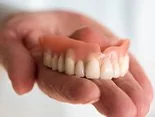
All dentures, no matter the type, are made from two key components:
- Gum-Colored Base: This forms the foundation of the denture and supports the artificial teeth. Usually crafted from acrylic or resin, the base is carefully colored to resemble natural gum tissue. Full dentures typically use acrylic for its realistic look, while partial dentures often include metal clasps for added stability and secure fit.
- Artificial Teeth: These are made from either porcelain or resin. Porcelain is prized for its strength and lifelike appearance, while resin offers a lighter alternative that still looks natural. Both materials are designed to restore not just your smile’s appearance but also your ability to chew and speak with ease.
The Denture Creation Process
Your journey to new dentures starts with an initial consultation. If needed, we’ll first address any treatments such as tooth extractions, gum care, or implant placement to prepare your mouth. Once that’s done, we take detailed impressions of your upper and lower arches. These impressions are sent to our trusted dental lab, where the real artistry begins.
Lab technicians use your molds to craft a precise plaster model of your mouth. Then, a wax version of your denture is created. Using a device called an articulator, the artificial teeth are carefully set into this wax model, ensuring proper alignment and function.
Next, you’ll return to our office for a fitting appointment. We’ll place the wax dentures in your mouth to check fit, comfort, and appearance. Any adjustments needed are noted and communicated back to the lab. Sometimes, a second fitting is scheduled to make sure everything is just right.
Once the fit and design are finalized, the lab replaces the wax with acrylic through a detailed process that gives your denture its lasting form. The final step is polishing the denture until it shines like a natural smile. Your finished dentures are then returned to us for your last fitting, and your new smile is ready to go!
Adjusting to Your New Dentures

It’s normal for dentures to feel a little unfamiliar at first. After all, your mouth is adjusting to the change from missing teeth to a restored smile. Most initial discomfort fades as your mouth adapts, but if you experience ongoing issues, we’re here to help. Our practice will gladly make any necessary adjustments to ensure your dentures fit comfortably and your smile feels just right.

The Benefits of Dentures
Once you’ve lost some or all of your teeth, many of your normal oral tasks can become significantly harder to perform, such as eating, speaking, and smiling. Fortunately, dentures offer the life-changing results necessary to improve your oral health as well as your overall well-being. If you’ve been struggling with the effects of tooth loss, then custom-made prosthetics can provide the second chance you deserve for a beautiful and functional bite. Keep reading to learn several benefits of dentures that you can make the most of!
Read More: The Benefits of Dentures
Psychological Benefits

With noticeable gaps in your smile, it can be difficult to want to attend social events, as you may feel embarrassed about opening your mouth. This can lead to significantly reduced confidence, making you less likely to engage with others. However, by replacing missing teeth with dentures, you can complete the rest of your smile and feel much more confident about showing off your grin. They can even help lower anxieties you may have about your speech, chewing ability, appearance, and more.
Clearer Enunciation

Did you know that people can speak clearly by pressing their lips and tongues against their pearly whites? That’s why, if you don’t have many or all of your teeth, it can be quite challenging to enunciate your words and phrases properly. Thankfully, with dentures, you can renew your upper and lower arches of teeth, which will improve your speech dramatically. This can take a short adjustment period, but with practice, you can easily speak more naturally in no time!
Improves Nutrition

Some fruits and vegetables, while healthy and nutrient-rich, can be tough in texture. If you aren’t able to chew your food efficiently, you can end up encountering problems such as malnutrition and indigestion. By improving your chewing ability with dentures, you’ll be able to expand your dietary choices to include meals like fruits, veggies, dairy products, and lean proteins that were too difficult to eat properly before. This will also help provide you with minerals and nutrients necessary for promoting better oral and overall health.
Preserves Oral Health

Whenever you lose some or most of your teeth, the rest of your natural ones can begin to move out of place to fill in the gaps. Dentures will be able to help serve as placeholders, preventing any other remaining pearly whites from shifting around. Additionally, your prosthetics can help bear some of the pressure of chewing, reducing wear and tear on the rest of your teeth.
Expands Opportunities

Whether you’re meeting someone for an interview or going on a first date, your smile is one of the first things people will notice about you. Dentures can help boost your appearance as well as your social and professional opportunities. Not only will you feel more confident with your new smile, but others will see how you carry yourself and may perceive you as more outgoing and attractive.
Understanding the Cost of Dentures
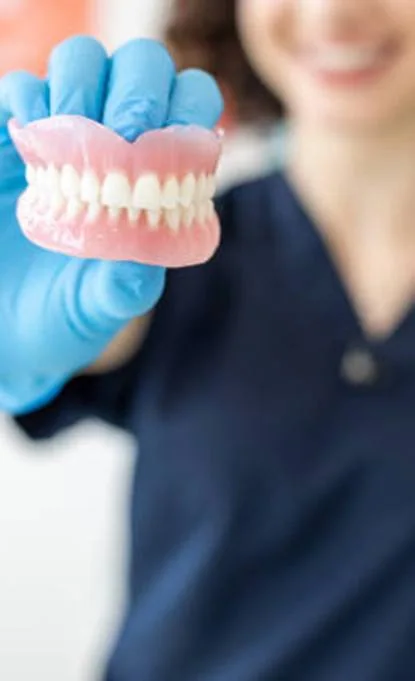
There are many rumors about dentures, especially regarding their cost. Contrary to what you might have heard, dentures are affordable. Various factors affect the cost of dentures, but we strive to keep them within everyone's budget. You won't have to compromise quality or aesthetics. We have the solutions that you need to replace your lost teeth without breaking the bank.
Read More: Understanding the Cost of Dentures
Factors That Affect the Cost of Dentures
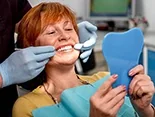
There's no flat fee for dentures because every mouth is as unique as fingerprints. Therefore, there's no one-size-fits-all denture, and every situation is unique. Many factors will influence your estimate, like:
- Prep Work: During your consultation, your dentist may find that you need a little prep work before getting dentures, like tooth extractions or gum disease therapy.
- Type of Denture: Depending on your preferences and the severity of tooth loss, you have many types of dentures to choose from, including implant-supported solutions.
- Materials: Discounted materials may save money initially, but you can pay more in terms of quality, comfort, and aesthetics. We will help you invest in a high-quality material that looks and feels natural.
Are Implant Dentures More Expensive?
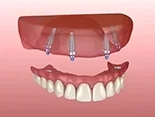
Implant dentures may cost more initially, but they are the most affordable overall because they never need to be replaced. Traditional dentures only last for 5 to 7 years before needing new ones. You'll save money down the road on replacements. Not to mention, dental implants offer priceless benefits because they replicate both the tooth roots and the crowns. This provides the next best thing to your real teeth.
Does Dental Insurance Cover Dentures?

Your dental insurance may cover your consultation and diagnostic services for a co-payment. Your insurance may also pay some of the expenses for medically necessary procedures, which may include any prep work. After meeting your annual deductible, your dental insurance may pay 50% to 80% of the expenses of your dentures until you reach your yearly allowance. We will work on your behalf with your dental insurance to maximize your coverage to lower the amount you will pay out-of-pocket.
Other Options for Making Dentures Affordable
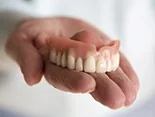
In addition to using your dental insurance, our office accepts other financial options, like:
- Traditional Payments: We accept cash, personal checks, and most credit cards.
- In-House Membership Plan: You can benefit from discounted services by joining our in-house membership program.
- Financing: You can pay any out-of-pocket expenses using a monthly payment plan. Based on your credit approval, you can enjoy little or no interest in financing.
Denture FAQs
Will It Hurt to Get Dentures?
As you’d expect, having teeth extracted before your dentures will likely be the most uncomfortable part of the whole affair; while the procedure itself will be completely painless thanks to local anesthetics, you’re likely to be a little bit sore for a few days after.
The hard part will be over at this point, but you may experience a few sores and some tenderness after first getting your dentures. This should also fade after a few days and can be managed with over-the-counter medication.
Is It Hard to Talk with Dentures?
Talking with dentures isn’t necessarily hard, but it is a unique skill that takes some time to master. It’s common for people to say that they have a little bit of a lisp when they first get their prosthetic, or that they have trouble keeping their dentures in their mouth when they speak.
Each of these things will get better with practice. You may need to set aside time to read aloud, taking note of any words that give you particular trouble.
What Can’t You Eat with Dentures?
Dentures can allow you to eat all kinds of foods that would normally be problematic if you were still missing teeth. However, there are some that can pose serious issues for your prosthetic and should probably be avoided.
Sticky, gummy foods can very easily pull your dentures out of place and can get stuck underneath your prosthetic. The same goes for popcorn kernels and nuts, though they have the added hazard of being ground into shards that can irritate the gums.
Then there are things like apples, carrots, corn on the cob, and other hard foods that may be acceptable to eat in moderation but can put a lot of stress on your new teeth.
Can I Sleep with My Dentures?
Dentures reduce circulation in the gums, which means that it’s generally a good idea to take them off while you’re sleeping. This gives your mouth an opportunity to air out, which is ultimately good for gum health.
Another issue is bacterial buildup, which can easily become an issue if you never take your dentures out. By soaking your prosthetic in cleaning solution each night, you can keep it and your mouth as fresh as possible.
Questions Denver Dental Patients Ask
How is a full denture different from a partial?
A full denture replaces an entire arch, while a partial replaces some teeth alongside remaining natural teeth. An examination helps determine the suitable design and supporting structures.
Can patients ask about implant dentures?
Yes. The practice lists implant denture options. Eligibility requires assessment, and patients should understand the surgical coordination, type of restoration, and additional care involved before choosing treatment.
What if a new denture causes soreness?
Patients should contact the office for a fit assessment. Adjustments may be part of the follow-up process, but persistent soreness should not be ignored or managed by reshaping the appliance at home.
Are dental visits still needed with full dentures?
Yes. Visits allow the dentist to examine oral tissues and evaluate denture fit. Patients can also discuss changes in comfort, cleaning difficulties, and whether the appliance needs attention.
How should patients prepare for a denture consultation?
Patients can describe what is difficult about eating, speaking, or the current replacement. Questions about support, appearance, cleaning, and follow-up help clarify whether the proposed denture fits their needs.
Dentures in Denver: Replacement Options, Fit, and Adjustment
1. Full and partial dentures serve different needs. The number and pattern of missing teeth help determine which design is appropriate.
2. Support varies between denture types. Patients should understand whether support comes from oral tissues, remaining teeth, or implants.
3. New dentures may require adjustment. Follow-up visits allow the dentist to assess areas of soreness and changes in comfort.
4. Natural teeth need care with a partial denture. The teeth supporting or adjacent to a partial remain part of the hygiene and examination plan.
5. Denture cleaning differs from tooth cleaning. Patients should use the cleaning method recommended for their particular appliance.
6. Fit can change over time. A denture that becomes uncomfortable or unstable should be evaluated rather than adjusted at home.
A Personal Approach to Dentures
“I want denture patients to understand the replacement and the adjustment process. We discuss the support, appearance, and daily care together, and I encourage patients to tell us when fit or comfort needs attention.”
Dr. Shauna Soltani
Published Outcomes for Complete Dentures and Implant-Retained Dentures
Research findings
- Implants Supporting Lower Overdentures at Three Years: 100% Survival. [1]
- Implants Supporting Lower Overdentures at Three Years: 95.2% Clinical Success.
[1] ● Complete Dentures Without Reported Failure During One to Two Years:
Approximately 95%. [2] ● Complete Dentures Without Reported Failure During Five to Six Years:
Approximately 88%. [2]
Understanding the research
| Research outcome | Reported result | What the research measures |
|---|---|---|
| Survival of implants supporting lower overdentures | 100% | at three years Enkling and colleagues reported no implant losses during follow-up for the evaluated two-implant, bar-retained lower overdentures. This measures supporting implants, not freedom from denture repairs. [1] |
| Clinical success of implants supporting lower overdentures | 95.2% | at three years The same trial reported 95.2% implant success under its stated clinical criteria. Success was assessed separately from implant survival. [1] |
| Complete dentures without reported failure during short-term follow-up | Approximately 95% | Taylor and colleagues estimated a pooled 5% failure proportion during one to two years of observation. The calculated proportion without reported failure is approximately 95%. [2] |
| Complete dentures without reported failure during medium-term follow-up | Approximately 88% | The review estimated a pooled 12% failure proportion during five to six years of observation. The calculated proportion without reported failure is approximately 88%. [2] |
Sources
[1] Enkling N, Kokoschka F, Schumacher D, Kraus D, Schimmel M, Abou-Ayash S. “Influence of the Loading Protocol and Platform Switching in Two-Implant Bar-Retained Overdentures: 3-Year Results From a Randomized Controlled Equivalence Clinical Trial.” Clinical Oral Implants Research. 2022. DOI: 10.1111/clr.13872. Read the full article. Wiley Online Library
[2] Taylor M, Masood M, Mnatzaganian G. “Longevity of Complete Dentures: A Systematic Review and Meta-Analysis.” Journal of Prosthetic Dentistry. 2021;125(4):611–619. DOI: 10.1016/j.prosdent.2020.02.019. Read the full article. yehhsinchi.com
These findings involve different treatments, study populations, and follow-up periods. They are not a direct comparison or practice-specific success rates. Maintenance may still be needed even when an implant survives or a denture has no reported failure.