
Gum Disease Treatment – Denver, CO
Stopping the Harmful Effects of Gum Disease
According to the Centers for Disease Control and Prevention, an estimated one out of two adults in the United States has gum disease. The key to tackling this oral health problem is to diagnose it in its earliest stages and treat it so the effects can be reversed. Dr. Soltani offers a couple of different highly effective options for gum disease treatment to help prevent avoidable damage and get her patients’ oral health back on the right track.

Why Choose Paradise Dentistry Denver for Gum Disease Treatment?
- Quiet, Clean, & State-of-the-Art Dental Office
- Serene, & Comfortable Atmosphere
- Experienced & Friendly Dental Team
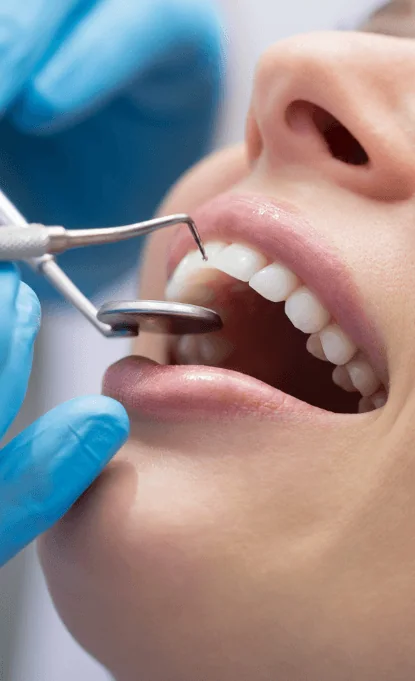
Scaling & Root Planing
Scaling and root planing is a two-step process that can take place over the course of one or more appointments depending on the severity of your gum disease. First, our team will clear all plaque and tartar from the surface of your teeth as well as in the pockets of your gums. Then, we will smooth out the roots of your teeth, allowing your gums to reattach and provide this vulnerable area with much-needed protection.
Read More: Scaling & Root Planing
Do I Need Scaling & Root Planing?

In some cases, gum disease can be reversed via at-home oral hygiene. In other cases, scaling and root planing is necessary. You might need this treatment if you are experiencing significant signs of gum disease, such as:
- Red, tender, and swollen gums.
- Pockets between the teeth and gums.
- Chronic bad breath.
- Visible plaque buildup along the gumline.
- Gum recession.
After we evaluate your oral health, we will recommend the best way to get your oral health back on track.
The Process of Scaling & Root Planing
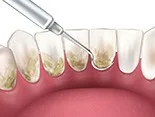
Scaling and root planing basically amounts to a deep dental cleaning. It may take place across one or more appointments (depending on the extent of your gum disease). It is a two-part process:
- During scaling, we carefully remove all plaque from your teeth. We clean both above and below the gumline.
- During root planing, we smooth out the roots of the teeth so it is more difficult for bacteria to stick to them. This also makes it easier for your gums to reattach to your teeth.
Aftercare Tips for Scaling & Root Planing

Your gums might be a bit tender and sore for a few weeks after scaling and root planing. To reduce discomfort and promote healing, you should:
- Regularly rinse with warm salt water. This can help with swelling and inflammation.
- Make wise food choices. Hot, spicy, and acidic foods can irritate your gums and tooth roots.
- Be gentle during oral hygiene tasks. You should use a soft toothbrush and exercise caution when flossing. Instead of snapping the floss between your teeth, carefully insert it in a controlled manner.
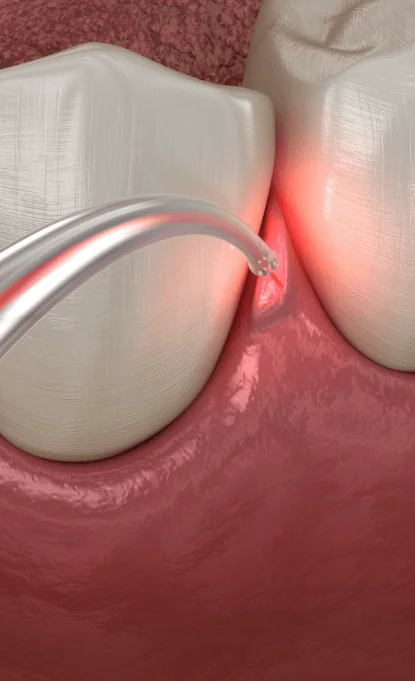
Laser Periodontal Therapy
Laser gum disease therapy isn’t a standalone procedure. It works in combination with scaling and root planing to help remove hardened bacteria deposits and severely damaged gum tissue, only leaving healthy tissue behind. There are some great advantages to using a soft tissue laser to treat gum disease, including a fast recovery time, no need for general anesthesia, precision when targeting bacteria, and little to no discomfort.

Antibiotic Therapy
Typically, we suggest antibiotic therapy in combination with scaling and root planing or laser periodontal therapy. After your treatment, we want to make sure that harmful oral bacteria don’t have a second chance to come back and wreak havoc on your teeth and gums. By rinsing with a medicated mouthwash or taking antibiotics orally in pill form, you’ll be able to help your body fight off this persistent infection.
More to Explore
Questions Denver Dental Patients Ask
How is gum disease evaluated?
The dental team assesses the gums and supporting structures, including periodontal measurements and other records when indicated. The findings help distinguish the condition and explain which treatment is appropriate.
Is scaling and root planing a regular cleaning?
No. Scaling and root planing addresses periodontal concerns below the gumline. A routine cleaning and periodontal treatment have different purposes, and the diagnosis determines which is recommended.
Can gum disease be present without pain?
Yes. Patients may notice bleeding or other changes without significant discomfort. An examination is important because symptoms alone do not establish how much support has been affected.
Does everyone need antibiotics or laser treatment?
No. Additional treatments should have a specific reason within the care plan. Patients can ask about the expected benefit, alternatives, and how the recommended approach relates to their diagnosis.
What happens after the initial periodontal treatment?
The team reassesses the response and recommends follow-up and home care. The schedule depends on the findings, and patients should report persistent symptoms or new concerns rather than wait for the next planned visit.
Gum Disease Treatment in Denver: Diagnosis, Deep Cleaning, and Maintenance
1. Bleeding gums warrant evaluation. Bleeding can signal inflammation and should be discussed rather than treated as a normal part of brushing.
2. Gum disease may have limited symptoms. Patients can have periodontal concerns before recognizing significant pain or changes in function.
3. Gingivitis and periodontitis are different. The diagnosis matters because inflammation alone differs from damage to the supporting structures.
4. Deep cleaning addresses deposits below the gumline. Scaling and root planing is selected according to the periodontal findings rather than as a routine cleaning for everyone.
5. Adjunctive treatments are individualized. Patients can ask why an antibiotic or laser procedure is recommended and how it relates to the main treatment.
6. Maintenance continues after initial care. Home hygiene and recommended professional follow-up remain important when periodontal treatment is completed.
A Personal Approach to Gum Disease Treatment
“I want patients to understand what the gum measurements mean and why a particular treatment is recommended. We discuss the initial care and the follow-up together, because maintaining the tissues that support the teeth is an ongoing part of oral health.”
Dr. Shauna Soltani
Natural Tooth Retention During Supportive Periodontal Care
Research findings
- Teeth Retained During Supportive Periodontal Care: Approximately 96.9%. [1]
| Research outcome | Reported result | What the research measures |
|---|---|---|
| Teeth retained during supportive periodontal care | Approximately 96.9% | retained Rattu and colleagues reported that 3.14% of teeth were extracted during an average follow-up of 9.88 years. The calculated retained proportion is 96.86%, rounded to 96.9%. [1] |
Sources
[1] Rattu V, Raindi DS, Antonoglou GN, Nibali L. “Prevalence of Stable and Successfully Treated Periodontitis Subjects and Incidence of Subsequent Tooth Loss Within Supportive Periodontal Care: A Systematic Review With Meta-Analyses.” Journal of Clinical Periodontology. 2023;50(10):1371–1389. DOI: 10.1111/jcpe.13835. Full article.