
Tooth-Colored Fillings – Denver, CO
Seamless Cavity Repair
In the past, dentists always used a material known as silver amalgam to repair spots of decay. While amalgam can be durable, it has many drawbacks. For example, it has a dark color that makes it quite noticeable against the backdrop of white tooth enamel. Today, many dentists, including Dr. Soltani, have abandoned amalgam in favor of tooth-colored fillings, which blend in seamlessly with the surrounding dentition and provide seamless, reliable cavity repair. Read on below to learn more about this restorative treatment.

Why Choose Paradise Dentistry Denver for Tooth-Colored Fillings?
- Completely Metal-Free Restorations
- Highly Experienced Dentist
- Beautiful, Durable Results
What Are Tooth-Colored Fillings?
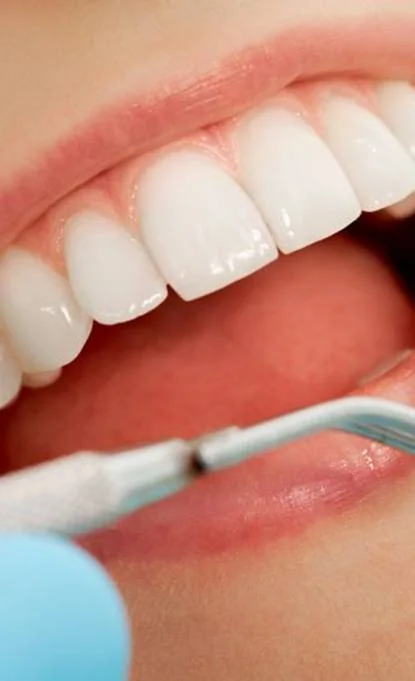
The purpose of a dental filling is to fill in a cavity, thereby stopping the decay from spreading and protecting the tooth’s sensitive inner layers. A tooth-colored filling is made out of biocompatible composite resin, which may contain tiny pieces of plastic, glass, and other materials. They are completely free of any metals, including mercury, which is a main ingredient of traditional silver amalgam fillings.
The resin can be shade-matched to blend in beautifully with the natural color of your tooth enamel, so it can allow you to maintain your smile’s natural appearance.
The Process of Getting a Tooth-Colored Filling
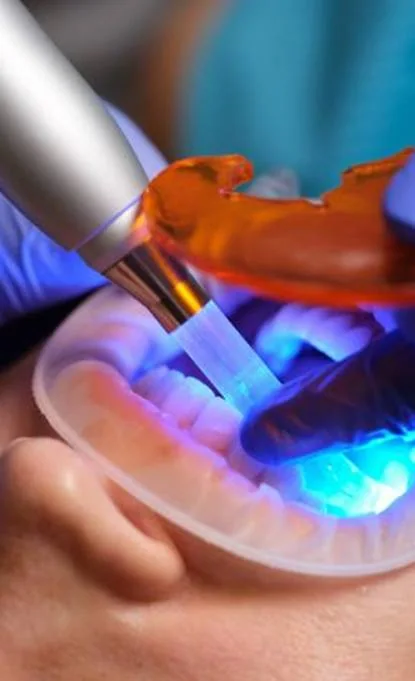
The process of getting a tooth-colored filling takes just one appointment, which usually lasts less than one hour. Here is an overview of what you can expect:
- First, we may numb your mouth. (If a cavity is not very deep, local anesthesia may not be necessary.)
- Once you are comfortable, we will use a drill to remove decayed tissue from inside the cavity.
- We will insert the shade-matched resin and use a special curing light to harden it within a matter of seconds.
- We will polish and adjust the filling so it will look good and will not interfere with your bite.
The Benefits of Tooth-Colored Fillings
Some outstanding benefits of tooth-colored fillings include:
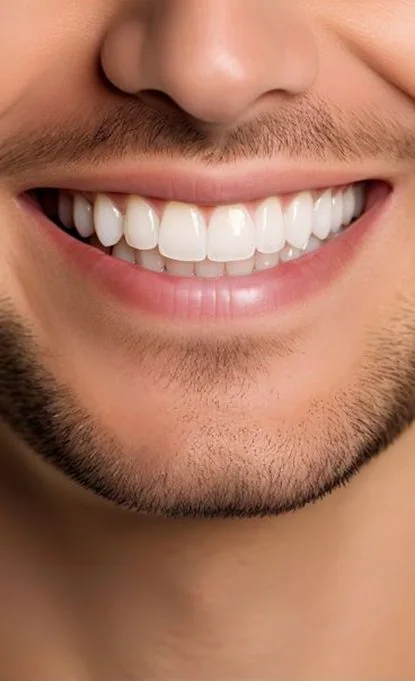
- Onlookers may never have any idea that you have a filling. Plus, unlike amalgam fillings, tooth-colored fillings do not stain the surrounding enamel.
- Not reactive to temperatures. Metal fillings tend to expand and contract in response to temperature changes, which can cause damage and sensitivity. Tooth-colored fillings do not have this problem.
- Ideal for people with metal sensitivities. Many patients appreciate that tooth-colored fillings are free of toxic mercury.
- With proper care, a tooth-colored filling can last for several years.
- Less tooth preparation. When preparing a tooth for a tooth-colored filling, we have to remove very little healthy dentition. Amalgam fillings require more extensive modifications to the teeth.
Questions Denver Dental Patients Ask
What is a tooth-colored filling made from?
A tooth-colored filling is made from composite resin. It is selected and shaped for the tooth being repaired, with shade matching considered alongside the size and location of the restoration.
Can every cavity be treated with a filling?
Not every damaged tooth is suitable for a filling. The dentist evaluates the extent of the problem and explains whether a filling, crown, or another treatment would be appropriate.
What happens during filling treatment?
The affected area is prepared, the restorative material is placed, and the filling is shaped and checked. The team can explain the planned steps and comfort measures before treatment starts.
Should patients report sensitivity after a filling?
Patients should report persistent, worsening, or unexpected sensitivity and any problem with their bite. An assessment can help determine whether an adjustment or further evaluation is needed.
How can patients care for a filled tooth?
Patients should maintain daily hygiene and follow their recommended examination schedule. New symptoms or changes in the restoration should be discussed, because the natural tooth remains susceptible to dental problems.
Tooth-Colored Fillings in Denver: Repair, Shade Matching, and Follow-Up
1. The defect must be evaluated first. The size and location of the damaged area affect whether a composite filling is appropriate.
2. Composite can be matched to tooth color. Shade selection helps the restoration blend with the surrounding natural tooth.
3. A filling and crown provide different coverage. More extensive damage may require a different approach to supporting the remaining tooth.
4. The bite is checked after placement. Patients should report a filling that feels uncomfortable or contacts too early when biting.
5. Restored teeth can still develop decay. A filling does not remove the need for hygiene and monitoring of the remaining natural tooth.
6. Older restorations need individual evaluation. Replacement should be based on the condition of a filling rather than its age or appearance alone.
A Personal Approach to Tooth-Colored Fillings
“A filling needs to suit the tooth, not simply cover the visible problem. I explain the extent of the repair, check the fit with the patient’s bite, and discuss what to watch for after the appointment.”
Dr. Shauna Soltani
Four-Year Outcomes for Composite Repairs of Fractured Front Teeth
These results apply specifically to anterior composite repairs. They should not be presented as survival rates for all fillings or for posterior cavities.
Research findings
- Multishade Composite Front-Tooth Repairs: 94.6% Survival at Four Years. [1]
- All Evaluated Composite Front-Tooth Repairs: Approximately 92.9% Survival at
Four Years. [1] ● Single-Shade Composite Front-Tooth Repairs: 90.8% Survival at Four Years. [1]
| Research outcome | Reported result | What the research measures |
|---|---|---|
| Multishade anterior repairs | 94.6% | survival Four-year result for the evaluated polychromatic layering technique. [1] |
| Overall anterior repairs | Approximately 92.9% | survival Overall four-year result across the evaluated restorations. [1] |
| Single-shade anterior repairs | 90.8% | survival Four-year result for the evaluated monochromatic layering technique. [1] |
Sources
[1] Korkut B, Özcan M. “Longevity of Direct Resin Composite Restorations in Maxillary Anterior Crown Fractures: A 4-year Clinical Evaluation.” Operative Dentistry. 2022;47(2):138–148. DOI: 10.2341/20-162-C. Full article. researchgate.net
The overall figure includes both technique groups. The study did not establish a statistically significant survival difference between them. These are not three independent treatment comparisons.