Why Choose Paradise Dentistry Denver for Veneers?
- Cosmetic Dentist with 17+ Years of Experience
- Calm, Rejuvenating Dental Office Atmosphere
- In-House Dental Financing Available
Composite Veneers
Composite resin bonding veneers are built directly on your teeth, chairside, using a tooth-colored cosmetic composite material. For suitable cases, our technique can create a natural-looking smile without removing natural tooth structure.
What to Expect with Composite Veneers
- The veneers are shaped and polished in our office, with no wait for a dental laboratory.
- Shape, color, and appearance can be adjusted during treatment.
- A chipped edge can often be repaired without replacing the entire veneer.
At Paradise Dentistry, this detailed treatment is planned over two consecutive days, with approximately four to five hours each day to carefully build and shape your veneers. Dr. Soltani will discuss your individual treatment schedule and whether this approach is right for your teeth.
Composite veneers need ongoing care and may require repairs or replacement over time. Their longevity depends on your teeth, bite, habits, and maintenance.
Ceramic Veneers
Ceramic veneers are thin, custom-made shells crafted by a dental laboratory. A small amount of tooth structure is usually removed to make room for the veneers and achieve a good fit.
At Paradise Dentistry, we work closely with our dental laboratory to plan the shade, shape, and detail of your smile. You may wear temporary veneers while the laboratory creates the final restorations, which typically takes about three weeks.
What to Expect with Ceramic Veneers
- Custom laboratory fabrication and natural-looking cosmetic results.
- Tooth preparation, which is irreversible when enamel is removed.
- A waiting period and temporary veneers while the final restorations are made.
- A cracked or broken ceramic veneer generally needs replacement rather than a simple repair.
Dr. Soltani evaluates the health and condition of your teeth before recommending veneers. Decay or other oral health concerns must be addressed as part of treatment planning.
Which Veneer Type Is Right for You?
Ceramic and composite veneers are different techniques, and neither is automatically the best choice for every smile. Your tooth structure, bite, cosmetic goals, treatment time, and preferences all matter. During your consultation, Dr. Soltani will explain the options and help you choose an appropriate plan.
Book Your Appointment to discuss ceramic and composite veneers at Paradise Dentistry of Denver.
What Are Dental Veneers?
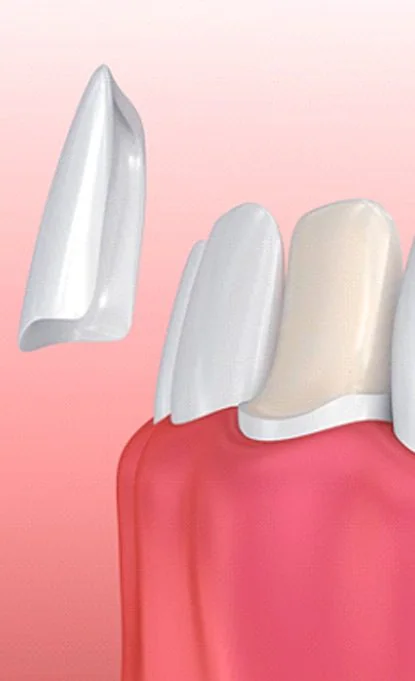
A veneer is a super-thin, custom-made shell that is placed over the front-facing section of a tooth to cover up virtually all of its cosmetic flaws at the same time. Veneers are typically made from dental porcelain, which looks remarkably like natural tooth enamel. Once they have been placed, no one should even be able to notice that you had dental work done – all they’ll see is your beautiful smile!
By covering the entire visible section of a tooth, veneers can fix several concerns, including:
- Stubbornly stained or discolored teeth
- Slightly chipped or cracked teeth
- Minor yet noticeable gaps between teeth
- Misshapen, worn-down, or “stubby” teeth
- Minor cases of crooked or rotated teeth
The Process of Getting Ceramic Veneers
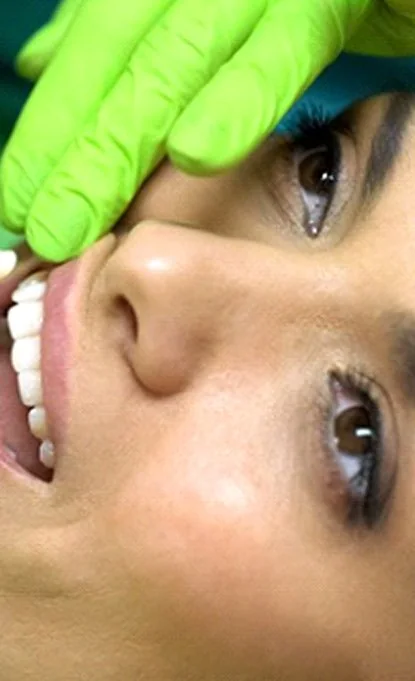
As an experienced cosmetic dentist, Dr. Soltani can create a veneers treatment plan to give you seamless result in just a few appointments. First, there’s the consultation. She’ll closely look over your mouth to make sure you don’t have any underlying oral health concerns, like cavities, that should be addressed first. After talking through your smile goals with you, she’ll determine whether veneers are the ideal solution for you.
If you decide to move forward with veneers, your teeth will have to be prepared. Dr. Soltani will do this by shaving off a thin sliver of enamel from those teeth. This will ensure that your veneers lay flush against your teeth and line up with the rest of your smile. Then, impressions are taken of your teeth, which a dental lab uses to craft your veneers.
While the lab gets to work, we can place a temporary set of veneers to protect your teeth for a few weeks. Once your final veneers arrive at our office, we’ll have you come in to swap them out with the temporaries. After making sure they look and feel natural, we’ll cement your veneers onto your teeth and voila – you’re free to enjoy your new and improved grin!

The Benefits of Ceramic Veneers
Veneers are becoming increasingly popular as a cosmetic dental treatment, mostly because of the multitude of benefits they offer. These include:
- Natural-looking results.
- More resistant to stains than tooth enamel.
- Easy maintenance.
- Results that can last for more than a decade with the right care.

Understanding the Cost of Veneers
The cost of veneers is one of the most pivotal components you must consider when attempting to decide how to transform your smile. Essentially, you get what you pay for, so finding the right cosmetic dentist with years of training is certainly worth the time and effort, especially if you want that true Hollywood look. But cosmetic dentistry comes in all different types, which is why it’s important to weigh your options and look at all available solutions. After all, you want your smile to look its best, so why not spend the additional time to make sure veneers are the right cosmetic treatment for you?
Read More: Understanding the Cost of Veneers
Cost vs. Cosmetic Dentistry: What’s Right for Me?

At our practice, we offer an array of cosmetic treatments designed to improve your smile’s aesthetics. While you may not be easily swayed in your decision to choose veneers, you should consider all your options, each at a different price point:
- Veneers: Veneers make it possible to change the size, shape, and color of your teeth. Although more invasive and costlier than dental bonding, they are permanent and can last a decade or longer with proper care.
- Cosmetic Dental Bonding: Minor imperfections can be easily treated using cosmetic dental bonding. Requiring little-to-no removal of your tooth enamel, it is less invasive and more affordable; however, it does need to be replaced every few years to maintain results.
- Teeth Whitening: Teeth whitening is a great solution if you simply want to eliminate stains. Because it cannot be used to change the size or shape of the tooth, it is limited in its capabilities but highly effective if you just need to rid your smile of discoloration. It’s also quite affordable, too.
- Invisalign: If your teeth are crooked or misaligned, the only real solution that will deliver long-lasting results is orthodontic treatment. Choosing Invisalign allows for a more discreet solution; however, it will cost you much more than most of the other available treatments. Not to mention, it cannot change the color, size, or shape of your teeth.
How to Make Veneers Affordable

Cosmetic dentistry is not usually covered by dental insurance, which is why you’ll need to identify another way to pay should you decide to move forward with veneers. Fortunately, your cosmetic dentist is pleased to provide two additional options to ensure your cosmetic treatment remains affordable:
- In-House Membership Plan: For one, low annual fee, you can receive access to a host of available benefits without having to worry about the red tape that comes with regular dental insurance policies (i.e., deductibles, waiting periods, copays, yearly maximums).
- Flexible Financing: Through CareCredit, eligible enrollees can sign up for a low or zero interest payment plan that makes it easier to break up the cost of your treatment.
Veneers FAQs
Are Veneers Permanent?
Veneers aren’t permanent because they will eventually need to be replaced. However, ceramic veneers that require enamel removal are irreversible. To ensure that ceramic veneers fit properly on the teeth, small amounts of the enamel may need to be filed away, and removed enamel doesn’t grow back. Because of this, teeth that have been prepared in this way will always need to be covered with veneers or crowns to keep them protected.
What Happens to the Teeth Under Veneers?
Preparation depends on your treatment: ceramic veneers usually require enamel removal, while our composite technique may preserve natural tooth structure in suitable cases. Teeth with veneers can still develop decay, so you need to maintain an excellent oral hygiene routine to help prevent tooth decay and other oral health issues. Remember to brush twice and floss every day. Limit the amount of sugar you consume and attend regular cleanings and checkups!
Can Veneers Be Used for Bite Corrections?
Veneers don’t change the position of the teeth or jaw, so they are unable to correct bite issues. However, if you have a mild open bite, veneers can make the teeth look longer and wider so they appear to line up correctly. You can also use the veneers to hide small gaps between the teeth. Veneers are only ever recommended for bite issues that don’t cause significant oral health problems but affect your appearance.
How Many Veneers Will I Need?
The goal of porcelain veneers is for all of your visible teeth to match, so you will receive an appropriate number of veneers to accomplish that goal. Some people opt for a single veneer to cover one pesky tooth while others get anywhere from 6 to 12 veneers for an entire smile makeover. During your consultation with us, we will discuss what the right number is for you.
More to Explore
Questions Denver Dental Patients Ask
What concerns can veneers address?
Veneers may address selected concerns about tooth shade, shape, or visible surface defects. A consultation helps determine whether the desired change is suitable for veneers or better addressed another way.
Are porcelain veneers reversible?
Conventional veneer treatment involves preparation of the tooth and is not reversible. Patients should understand what will be changed and discuss alternatives before committing to the procedure.
Can veneers be placed over a cavity?
A tooth with decay needs evaluation and appropriate treatment first. Veneer planning should consider the health of the underlying tooth rather than covering an unresolved dental problem.
Are veneers the same as orthodontic treatment?
No. Veneers change the visible surface rather than moving teeth. Patients concerned about alignment or bite should discuss whether orthodontic assessment is appropriate before choosing a cosmetic covering.
What should patients discuss before veneer treatment?
Patients can ask about preparation, shade, shape, bite considerations, alternatives, and maintenance. A clear discussion of expectations helps establish whether veneers are suitable for the teeth being considered.
Veneers in Denver: Enamel Preparation, Treatment Selection, and Care
1. Veneers change the visible tooth surface. The planned change may address shape, shade, or selected cosmetic defects.
2. Oral health should be addressed first. Veneers should not conceal unresolved decay or gum disease.
3. Preparation is an important decision. Patients should understand the enamel changes involved and the irreversible nature of conventional treatment.
4. The bite affects planning. Grinding and the contact between teeth should be discussed when assessing suitability.
5. Alternatives may address the same concern. Bonding, whitening, or tooth movement may be relevant depending on the patient’s goal.
6. Veneered teeth still need hygiene. The remaining tooth structure and surrounding gums require continued daily and professional care.
A Personal Approach to Veneers
“For veneers, I want the patient to understand both the appearance change and what happens to the natural tooth. We discuss preparation, alternatives, and the bite so the decision reflects more than the color or shape alone.”
Dr. Shauna Soltani
Five- and Ten-Year Survival of Ceramic Veneers
Research findings
- Ceramic Veneers at Five Years: 94.4% Survival. [1]
- Ceramic Veneers at Ten Years: 93.5% Survival. [1]
| Research outcome | Reported result | What the research measures |
|---|---|---|
| Five-year veneer survival | 94.4% | Estimated survival of ceramic veneers at five years in the evaluated cohort. [1] |
| Ten-year veneer survival | 93.5% | Estimated survival of the same cohort at ten years. [1] |
Sources
[1] Beier US, Kapferer I, Burtscher D, Dumfahrt H. “Clinical Performance of Porcelain Laminate Veneers for Up to 20 Years.” International Journal of Prosthodontics. 2012;25(1):79–85. Full article. adm.org.mx
Survival meant the restoration had not developed an irreparable problem. The results describe research patients, not a fixed lifespan for every veneer.