
Emergency Dentist — Denver, CO
Fast, Pain-Relieving Care for Your Smile
Dental emergencies are some of the most difficult problems to face. After all, they often seem to occur when you’re least prepared! So, call your emergency dentist if you have one. Dr. Soltani and her team will ensure you get the fast care you need. That way, you won’t need to deal with the time, money, and hassle of an ER. If you’d like to learn more, keep reading or contact us soon!

Why Choose Us for Emergency Dental Care?
- Dentistry with a Gentle Touch
- We Accept Dental Insurance
- Patients of All Ages are Welcome
Root Canal Treatment
Root canal treatment may help save a tooth with damaged or infected pulp. Dr. Soltani examines the tooth and X-rays to determine whether this treatment is appropriate.
Treatment removes the affected tissue, cleans and seals the canals, and is followed by a filling or crown to protect the tooth. Your treatment plan depends on the condition of the tooth and the restoration it needs.
If you have a toothache or suspect an infection, call (720) 608-7770 for an evaluation. Our team will explain your options and next steps.

How We Treat Dental Emergencies
Even if you’ve never had urgent oral care before, you don’t need to worry. We will explain how it works. In particular, expect these four things from an emergency dental visit:
- A Same-Day Appointment – Once you’ve called us, we’ll schedule you for the earliest possible visit. (In fact, our office may see you the same day you call!) While you wait for this session, our team can even provide first-aid tips over the phone.
- An Emergency Exam – Dr. Soltani will perform an emergency exam when you arrive for care. By doing so, she’ll learn the source and extent of your problem. (This step also confirms how best to reduce your pain.)
- A Findings Review – Following the exam, our team will share their findings with you. They’ll then suggest possible procedures. Based on your feedback, they’ll then draft a custom treatment plan just for you. (Rest assured, we’ll outline the treatment price and timeframe before you commit to anything.)
- Crucial Oral Care – Using your treatment plan, our practice will fix your issue quickly. We’re quite ready to provide what you need, whether it’s fillings, root canal therapy, tooth extractions, etc. In other words, your smile will get back on track quickly!
The Most Common Dental Emergencies
While every dental emergency is unique, certain kinds happen more often than others. You should thus visit our office if you suffer from one. In reality, our team is equipped to handle these more common dental problems. They’ll provide guidance and aid to ease your discomfort. That being the case, call our office if you have any of the following conditions.

Understanding the Cost of Dental Emergencies
Are you concerned about the cost of your dental emergency? The amount you’ll have to pay truly depends on several factors, including the severity of your case. Regardless, you shouldn’t let a number keep you from seeking the care you need. Relieving your pain and preventing further damage should always be the primary goal. To help you save money, we’ll only recommend necessary services and discuss your payment options.
Read More: Understanding the Cost of Dental Emergencies
Every Dental Emergency is Different

Visiting our emergency dentist isn’t as pricey as you’d think. During your appointment, we’ll evaluate your needs and determine the best course of action so you can return to normal. Since the procedures you’ll need depend heavily on the emergency you’re experiencing, it’s basically impossible to know how much your care will cost until we see you in the office. However, some standard solutions to dental emergencies include:
- Root canal therapy
- Extractions
- Dental crowns
- TMJ treatment
Don’t worry – before you commit to any treatment, we’ll thoroughly explain the pricing information for all your options. That way, you’ll know exactly what to expect. No surprises here!
Taking Care of Your Smile Can Save You Money

No matter how many precautions you take, some dental emergencies are unavoidable. However, most of these incidents result from decay, infection, or other damage that has been worsening over time. That’s why regular preventive dental care is so critical! By seeing your dentist every six months and practicing good oral hygiene, you can save hundreds or even thousands of dollars a year on emergency dental care.
If you ever notice concerning changes in your mouth, don’t wait until it’s too late. Make an appointment with your emergency dentist and get it checked out as soon as possible. Even if you’re worried about the cost, putting off treatment will only worsen your condition, meaning you’re more likely to require complex and expensive procedures down the line.
Does Dental Insurance Cover Dental Emergencies?
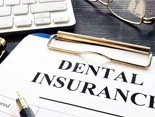
Do you have dental insurance? The good news is most plans offer some level of coverage for emergency dental care. For example, they’ll often pay for one yearly emergency exam. Most services associated with dental emergencies (i.e., root canal therapy, extractions, dental crowns, etc.) also receive partial coverage, ranging from 50-80% in most cases. Of course, every plan is different. That’s why it’s critical to consult your insurance company and consider yearly maximums and deductibles before committing to treatment. If you have any questions, our team is always here to help!
Other Options for Making Dental Emergencies Affordable

We understand that not everyone has dental insurance, so we offer additional financing options to make your dental bills easier to manage.
- In-House Membership Plan – This plan is a simple and affordable alternative to dental insurance that allows you to save money every time you see us. You can enjoy the same benefits as a traditional plan but without a deductible, copays, yearly maximums, and waiting periods. It’s an excellent way to save money while receiving the dental care you need!
- CareCredit – Do you require a significant amount of dental work? You can split up the cost of your dental emergency care into budget-friendly payments. CareCredit allows you to sign up for a payment plan with little to no interest and a schedule best suited for your situation.
At our practice, we’ll give you the prompt relief you deserve without breaking the bank. We’ll help you navigate your dental expenses, so you don’t have to worry about stressing over the bills. That said, if you’re facing a dental emergency, don’t hesitate to contact us for help!
Keys to Preventing Dental Emergencies
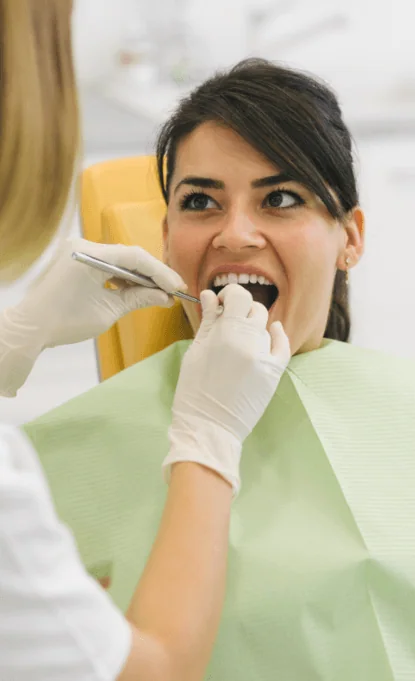
It’s no secret that dental injuries can be quite stressful and painful. Fortunately, there are a few simple ways you can help protect your teeth and gums from harm. Below, you will find five habits Dr. Shauna Soltani and the rest of our dental team recommend adopting.
Read More: Keys to Preventing Dental Emergencies
Maintain a good at-home oral hygiene routine

The first line of defense against tooth decay, gum disease, and other common oral health problems is a solid oral hygiene regimen. So, make sure that you are brushing, flossing, and rinsing with mouthwash consistently. It’s also crucial that you use the right tools, like a soft-bristled toothbrush instead of a hard-bristled one, and that you use the proper techniques. Otherwise, you could wind up with inflamed gums, enamel erosion, and other trouble.
Wear a nightguard if you grind your teeth

If you often wake up with headaches or a sore jaw, then there’s a chance that you grind/clench your teeth at night. If that’s the case, then have a custom nightguard made ASAP. This dental device may be small, but it plays a big role in preventing common dental injuries, like chipped and cracked teeth. We also recommend having a custom mouthguard made if you participate in sports, including non-contact ones like skateboarding and rollerblading.
Avoid eating crunchy foods

Hard pretzels, peanut brittle, and candy canes provide a satisfying crunch, but that’s not the only thing they have in common; they also can lead to a serious chip, crack, or fracture. So, avoid snacks like these and, if you do choose to indulge, exercise caution! Opting for softer, more nutrient-dense foods (i.e., bananas, oatmeal, plain yogurt) won’t just reduce your risk of a dental emergency, but it will benefit your oral and overall health too.
Visit us every six months for a checkup and cleaning

In addition to taking good care of your smile at home, you need to come to our office every six months for a dental checkup and cleaning. This is important for a few reasons, starting with the fact that only the tools we have at our office can remove built-up plaque and tartar. The examination portion of your visit is also important because it ensures that we catch (and treat) common oral health problems in the early stages, like cavities and gum disease.
Don’t use your teeth as tools

Using your teeth to remove bottle caps, tear open plastic wrapping, or hold your keys when your hands are full are a few examples. We also don’t recommend biting your nails, chewing on ice cubes, or putting the back of your pen or pencil in your mouth. Basically, you want to avoid doing anything that could cause your teeth to break.
Dental Emergency FAQs
Will a Toothache Go Away on Its Own?
Toothaches cannot heal on their own. So, if you’ve been crossing your fingers in hopes that the soreness, pain, or discomfort you’ve been dealing with will go away with time, it’s time to take a different approach: contact our dental team. Once we pinpoint the root of the problem, we can review your treatment options, share our recommendations, and create your custom treatment plan.
Important note: If your toothache goes away seemingly overnight, that doesn’t mean you should cancel your appointment. This usually happens when an infection has progressed to the point where it “kills” the nerve, rendering it unable to feel anything. While your discomfort may be gone, there’s now another problem at hand: it’s only a matter of time until your surrounding teeth and gums are negatively impacted.
How Do I Know if My Toothache is an Infection?
Typically, you can tell if your toothache is stemming from an infection by your symptoms. For example, if you’re experiencing a sharp, stabbing pain when you bite down, a bitter taste in your mouth, chronic bad breath, or a pimple-like bump on your gums, then that’s likely the root of the problem. Of course, the only way to know for sure is by coming to our office for an exam. Once Dr. Soltani takes a look at your X-rays and examines your tooth, she can determine if an infection is the source of your troubles.
Should I Visit the Emergency Room First for Dental Emergencies?
Not unless you’re experiencing potentially life-threatening symptoms, like difficulty breathing. If you go to the ER with a simple toothache, the only thing they can do is alleviate your pain in the short-term and tell you to visit your dentist. So, if you want to save time and money, it’s best to call us first with “routine” dental injuries, including bleeding gums, cracked teeth, and damaged restorations.
Should I Worry About a Chipped Tooth If It Doesn’t Hurt?
Usually, if you aren’t in pain, you don’t need to worry about scheduling a same-day visit with our emergency dentist. Instead, focus on doing what you can to protect your tooth from further harm, and get to our office for an exam before the end of the week. That way, we can make sure the inner area of the tooth isn’t exposed, an infection doesn’t develop, and the chip doesn’t get larger.
What Can and Can’t You Eat with a Chipped or Cracked Tooth?
It goes without saying that you shouldn’t eat anything crunchy, like nuts, apples, popcorn, and tortilla chips. You should also steer clear of hot/cold foods and drinks since this can lead to uncomfortable sensitivity. Instead, stick to a soft or liquid food diet, including plain yogurt, low-sugar applesauce, and mac and cheese (that’s not too hot, of course).
What Does Chronic Bad Breath Mean?
As we mentioned above, chronic bad breath could be the result of an infection. It could also be due to something less serious, like your diet. That’s why we recommend first cutting out foods like garlic, onions, curry, and pickles. If the odor persists and you take good care of your teeth at home, then it’s time to schedule an appointment with us.
More to Explore
Questions Denver Dental Patients Ask
How can patients request an emergency appointment?
Patients can call the office and describe the symptoms, when they began, and any damage or swelling. The team can explain availability and the appropriate next step based on the information provided.
Does every toothache require extraction?
No. An examination helps identify the cause and whether the tooth can be treated. The recommended approach may differ substantially between decay, a fracture, and other sources of discomfort.
Can a broken filling be an urgent concern?
A lost or broken filling can expose vulnerable tooth structure. Patients should contact the office for guidance and avoid assuming that the absence of severe pain means no evaluation is needed.
What should patients report after a dental injury?
Patients should describe the injury, the teeth affected, and any loose, broken, or missing tooth. The timing of the injury also matters when the team explains the next step.
When should patients seek emergency medical care?
Difficulty breathing or swallowing, rapidly spreading swelling, and uncontrolled bleeding require immediate medical attention. Patients should not delay emergency care while waiting for a routine dental appointment.
Emergency Dentistry in Denver: Assessment, Tooth Preservation, and Next Steps
1. Symptoms do not identify the cause by themselves. Tooth pain or sensitivity can have several causes, making an examination important before treatment is selected.
2. Damaged teeth need prompt attention. A broken tooth or lost restoration should be assessed even when discomfort is limited.
3. Saving the tooth may be possible. An examination determines whether repair, root canal therapy, or another tooth-preserving option is appropriate.
4. Extraction is based on the diagnosis. Removing a tooth is considered when preservation is not suitable, rather than assumed from pain alone.
5. Trauma can require urgent guidance. A knocked-out permanent tooth needs immediate dental attention and instructions that reflect the patient’s situation.
6. Medical emergencies need medical care. Difficulty breathing or swallowing, rapidly spreading swelling, or uncontrolled bleeding requires immediate emergency medical evaluation.
Published Tooth Retention After Root Canal Treatment
Research findings
- Root canal-treated teeth: 97.1% tooth retention at eight years. [1]
Understanding the research
| Research outcome | Reported result | What the research measures |
|---|---|---|
| Root canal treatment | 97.1% | at eight years Teeth remaining in the mouth after initial nonsurgical root canal treatment. This measures retention, not complete freedom from further treatment. [1] |
Sources
[1] Salehrabi R, Rotstein I. “Endodontic treatment outcomes in a large patient population in the USA: an epidemiological study.” Journal of Endodontics. 2004;30(12):846–850. DOI: 10.1097/01.don.0000145031.04236.ca. Read the full article.
This published result is not a practice-specific success rate or a prediction of an individual patient’s outcome.
A Personal Approach to Emergency Dentistry
“My first priority during an emergency evaluation is to understand the problem and explain what needs attention. I discuss options for addressing the cause, including whether the tooth can be preserved, and help the patient understand the recommended next steps.”
Dr. Shauna Soltani