
Invisalign – Denver, CO
Clear Braces for Straighter Smiles
At our practice, Dr. Soltani and her team share a passion for making people smile. When patients arrive with crooked, misaligned, or gapped smiles, they’re looking for a solution that will not only change their appearance but also improve the state of their oral health. Fortunately, there is Invisalign! These clear aligners apply just enough pressure to shift teeth in the right direction, giving individuals the opportunity to pursue orthodontic treatment without compromising their appearance day in and day out. This makes it easy to go to work, socialize with others, and embrace the opportunity for a healthier, more beautiful smile. If you’re interested in learning more about Invisalign, contact us today to schedule an appointment.

Why Choose Paradise Dental and Orthodontics for Invisalign?
- Skilled Dentist with Advanced Training and Experience
- State-of-the-Art Dental Facility
- Dental Insurance Accepted and Financing Available
How Does Invisalign Work?
Invisalign uses clear plastic aligners that are custom-made based on the specifications of your smile. Each set is designed to shift your teeth closer to the desired location and is to be worn for 20-22 hours each day. Instead of relying on metal brackets and wires, Invisalign trays are created from SmartTrack technology that allows for a comfortable, snug fit and predictable outcomes. With Invisalign, your follow-up visits with your dentist won’t take nearly as long, as there is no wire to adjust, and you can expect to see results much quicker than if you were to wear traditional braces.

Who Can Invisalign Help?
When it comes to orthodontics, Invisalign is one of the most sought-after options. After all, the aligners are see-through, oral hygiene is easy, and there aren’t any dietary restrictions – what’s not to love? The good news is that you can also count on the discreet aligners to treat various problems, such as:
Read More: Who Can Invisalign Help?
Crowded Teeth
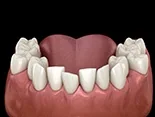
Crowded teeth can be a serious problem, especially when you consider how difficult it can be to thoroughly clean between your teeth, which can result in tooth decay and gum disease. But with Invisalign, the aligners can create the necessary space by applying just enough pressure in various areas that will bring your teeth into proper alignment. As a result, clear aligner treatment can positively impact the look and health of your smile!
Gaps Between Teeth
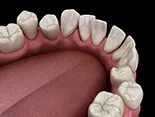
Gapped teeth may not be the most aesthetically pleasing, but there’s a more serious problem that exists with this type of dental issue – the potential for cavities and gum disease! As food becomes trapped in these areas, it can lead to oral health problems like tooth decay and gum disease. Fortunately, Invisalign works to bring teeth together, eliminating unnecessary space and creating a healthier, more beautiful smile.
Overbite
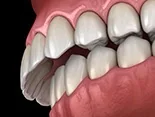
If there is a significant space between your top teeth and your bottom teeth in the front, then you may have an overbite. Although you may not notice it much initially, it can put pressure on your jaw that leads to chronic pain. It can also make it difficult to enunciate clearly and chew properly, which is why it’s so important that you explore your treatment options, including Invisalign, sooner rather than later.
Underbite
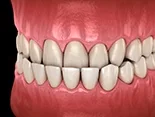
As you may have guessed from the name, an underbite is the opposite problem: when your lower teeth sit in front of your upper teeth. Chronic jaw pain is absolutely a concern with this orthodontic issue, but so is premature wear and tear, trouble speaking clearly, and difficulty chewing efficiently. The best thing to do is schedule a consultation to see if Invisalign can effectively move your bite into proper alignment as well as guide your teeth into their ideal positions.
Crossbite
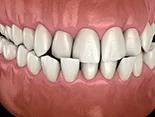
A crossbite is another common orthodontic problem where some of the top teeth sit in front of the bottom teeth and vice versa. Unfortunately, this can result in excessive wear and tear on your tooth enamel as well as unnecessary pressure on your jaw joints and facial muscles. By opting for Invisalign, your clear aligners (along with other orthodontic accessories, like rubber bands) can move your teeth and jaw into proper alignment.
Open Bite
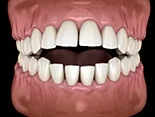
If your front teeth or back teeth don’t come together evenly when you bite down, then you may have an open bite. This orthodontic problem can develop as a result of a childhood habit, like thumb-sucking, as well as genetics. In both cases, Invisalign may be a solution. Oftentimes, this requires the use of other orthodontic accessories, like rubber bands, buttons, and attachments. Even then, this orthodontic treatment is much more discreet than traditional braces.
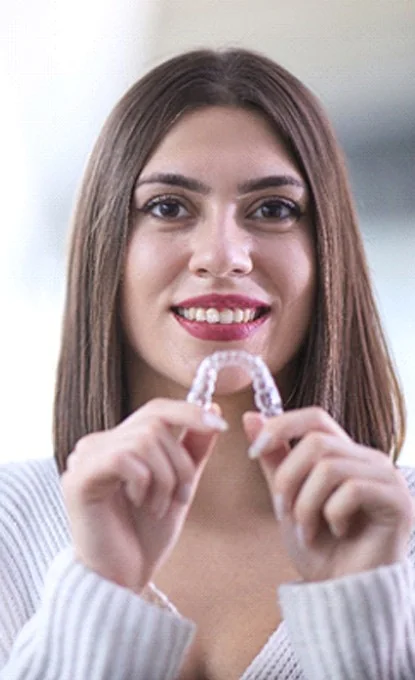
Benefits of Invisalign
Over the last 20+ years, more than 17 million patients have chosen Invisalign. If you are considering doing the same, then don’t hesitate to ask us about the benefits that come with this popular orthodontic treatment! You’re also welcome to read on to learn a few of the many reasons it’s so loved.
Read More: Benefits of Invisalign
Virtually Undetectable Braces

Although effective, metal braces leave much to be desired when it comes to appearance. That’s not the case with Invisalign! Since the aligners have a low profile and are crafted from smooth plastic, they don’t shine a spotlight on your smile. Instead, they remain almost invisible while bringing your teeth into proper alignment.
Shorter Average Treatment Timeline

While there are several factors that need to be considered, traditional braces typically take 2-3 years to deliver the desired results. Invisalign, on the other hand, usually produces results in just 12-18 months. So, if you have an important event coming up, like your wedding, or you simply don’t want to wait longer than necessary to achieve the results you desire, consider clear aligners!
Improved Comfort

Unlike traditional braces that are made of bulky metal brackets and wires, Invisalign is smooth and fits snugly against your teeth. Not only does this ensure no unwanted attention is drawn to your smile, but it also decreases the chances of soft tissue irritation. So, your journey to a healthier and more aesthetically pleasing smile will be considerably more comfortable.
Hassle-Free Dental Care

Another considerable benefit of Invisalign is that the aligners are removable. As a result, you don’t need to buy special oral hygiene products or adopt a cumbersome dental care regimen. Instead, you can take your aligners off, put them in their designated case, and brush, floss, and rinse with mouthwash like usual. Just make sure to clean your trays before putting them back on!
Freedom to Eat Your Favorite Foods

Whole apples, popcorn, raw carrots, and tortilla chips are just a few of the many foods that patients with traditional braces cannot eat. Since Invisalign aligners are removable, this orthodontic treatment doesn’t come with the same dietary restrictions. In fact, as long as you eat lots of nutrient-dense foods and you limit your intake of added sugar, you can enjoy all of your favorites!
No Monthly Adjustment Appointments

Monthly adjustment appointments are necessary with traditional braces. The teeth-straightening process with Invisalign is much different. You’ll be given several sets of aligners so you can progress through portions of your treatment plan at home. Then, every 6 weeks or so, you’ll come to our office so we can monitor the movement of your teeth. Simply put, you’ll spend considerably less time in the treatment chair!

Living with Invisalign Aligners
Like many other patients, you may have heard lots about clear aligners over the years, including that the average treatment timeline is shorter than traditional braces. But what does living with Invisalign actually entail? If you’ve been wondering the same thing, then keep reading – this next section is for you!
Read More: Living with Invisalign Aligners
Wearing Your Trays

Naturally, one of the biggest changes to your routine is going to actually be wearing the aligners. In order to stay on track with your treatment plan, you need to keep them on for a minimum of 20 hours a day. The easiest way to make that a reality is by only taking them off when it’s absolutely necessary, like before eating, and putting them back on immediately after brushing your teeth. However, it’s a good idea to use the stopwatch on your phone so you know you’re meeting the mark, especially toward the beginning of your teeth-straightening journey.
Cleaning Your Aligners
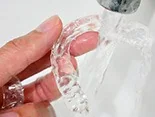
Good news: you don’t need any special or expensive cleaning products to maintain your aligners. In fact, you probably already have what you need: clean, cool water, a soft-bristle toothbrush, and mild dishwashing soap. Use these to gently remove food particles, plaque, and other debris from the surface after each meal. If needed, you can soak them for 15 minutes or so in a dentist-approved cleaning solution designed specifically for clear aligners, too!
Eating & Drinking

Unlike other orthodontic treatments, Invisalign doesn’t come with a long list of dietary restrictions. In fact, there’s only one rule you need to keep in mind: you need to take your aligners off before eating or drinking anything (with the exception of water). Outside of that, just do your best to eat mostly healthy, well-balanced meals. This will help prevent you from snacking, which, in turn, makes meeting the daily wear time easier.
Losing or Damaging a Tray

Once you know the importance of meeting the 20+ hour-a-day wear time, you can understand the significance of losing or damaging an aligner. If you find yourself in either situation, we recommend calling our Denver dental team ASAP. From there, we can learn a little more about what happened, take a look at your treatment plan, and determine the best way to get you back on track. For example, if we need to have a replacement set of aligners made, we will ask you to wear the previous pair in the meantime.
Scheduling Progress Visits

Unlike traditional braces, Invisalign doesn’t require monthly, hour-long adjustment appointments. Instead, you’ll be given several sets of aligners at a time. Once you’ve worn them, you’ll return to our office so we can monitor the movement of your teeth and, if you’re on track with your treatment plan, provide you with the next few pairs in the series. As a result, you’ll spend significantly less time in the treatment chair overall.
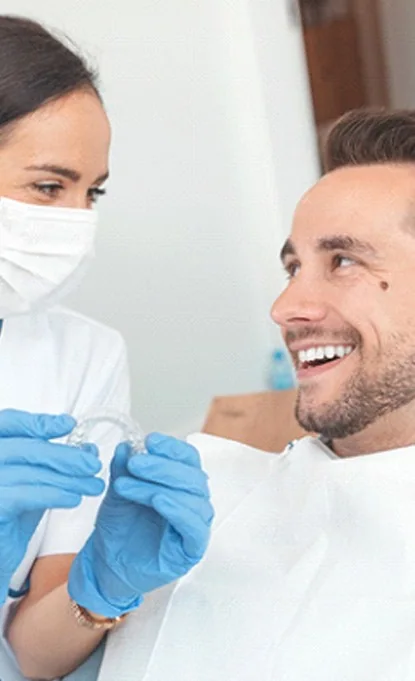
Understanding the Cost of Invisalign
When considering Invisalign, a major deciding factor for many patients is how much it will cost. The cost of Invisalign varies from person to person, so until you schedule an appointment with us, we cannot provide a clear estimate as to how much you can expect to pay for your new smile. However, you’ll find some information below that may be helpful when deciding whether to undergo Invisalign treatment.
Read More: Understanding the Cost of Invisalign
Factors That Affect the Cost of Invisalign
When you first meet with your Invisalign dentist for a consultation, they’ll go over the various factors that can contribute to your overall cost of treatment. These factors include:
- The number of aligners you need – Generally, the more severe your orthodontic misalignment, the more aligners you’ll have to wear to correct the issue.
- Whether you’re straightening one arch or both – Most patients need to straighten their upper teeth as well as their lower teeth, which naturally requires more aligners than it would to only straighten one arch.
- How well you comply with treatment – If you lose an aligner, you’ll likely need to pay for a replacement.
- Whether you need additional accessories – Some patients need to wear small rubber bands, called elastics, or other extra accessories to successfully complete their Invisalign treatment.
Invisalign vs. Smile Direct Club™: Lower Cost vs. Higher Value

With the rise of Invisalign came multiple “do-it-yourself” alternatives like Smile Direct Club™. These solutions can be enticing, as they typically cost less than Invisalign and you can handle the entire process at home. However, when it comes to dental treatment, you tend to get what you pay for.
Consider these reasons why investing in Invisalign is the smarter choice:
- DIY clear aligners are typically made from cheap plastic, while Invisalign uses a tried-and-true material that has been proven to shift teeth with comfort and efficiency.
- When you’re responsible for creating and wearing your own aligners, there’s always the risk that something could go wrong. There have even been reports of people wearing DIY aligners and accidentally moving their teeth in the wrong directions. Seeing a professional to fix these issues could end up costing you thousands of dollars that you would have saved by seeing an Invisalign dentist from the start.
- You can trust that when you visit us for Invisalign, we’ll genuinely care about you and your treatment. To many of these DIY aligner companies, you’re just another name in their customer base.
Does Dental Insurance Cover Invisalign?

It depends. Some dental insurance plans come with a lifetime provision for orthodontic care, which may or may not include Invisalign. If it does, you can expect it to significantly reduce your out-of-pocket expenses. Our team will be more than happy to review the specifics of your policy and help you save as much as possible. We’re in-network with many of the nation's leading plans as a way of making your care even more affordable.
Options for Making Invisalign Affordable

Even for patients without insurance, our team has methods of making the cost of Invisalign more accessible. These options include:
- CareCredit – This third-party financing company has many, many flexible payment plans to choose from, all of which let you split up your treatment costs into monthly installments. There’s sure to be a plan that fits into your budget! Plus, most of these plans have very low or no interest rates attached.
- Special offers – Be sure to regularly check our special offers page , where we highlight any deals that we’re currently providing on specific treatments. Right now, we’re offering Invisalign for as little as $249 a month for qualified patients!
Invisalign FAQs
How Long Does Invisalign Take?
The length of your Invisalign treatment will depend on a variety of variables. For instance, fixing minor spacing issues will take less time than correcting major orthodontic problems. Additionally, the timeframe of your treatment will rely heavily on how well you adhere to the rules of wearing Invisalign. If you don’t wear your aligners often enough, or if you lose or break them frequently, your teeth could begin to shift out of place and put you behind schedule. However, generally speaking, it takes between 12 and 18 months to complete Invisalign treatment.
Does Invisalign Hurt?
Traditional metal braces are notorious for being uncomfortable. Fortunately, this isn’t something you need to be worried about with Invisalign! Metal braces have sharp wires and brackets that protrude and irritate the soft tissues in the mouth, like the lips, cheeks, and tongue. On the other hand, Invisalign aligners are crafted out of a single piece of smooth, biocompatible plastic. They won’t be abrasive to the inside of your mouth, so you can expect a much more comfortable straightening process!
While Invisalign is largely reported to be far more comfortable than traditional braces, it won’t be without minor soreness, especially when you begin to wear a new set of aligners. You can drink cold water, apply an ice pack, or take over-the-counter pain relievers as directed on the packaging to manage any uncomfortable symptoms. Plus, starting a new set of aligners right before bed can help you sleep through most of the initial sore period!
What Can I Eat with Invisalign?
Invisalign clear aligners are removable, which means you won’t have to change your daily diet at all during treatment! That is however, as long as you take your aligners out before you eat or drink anything besides water. Your aligners are not particularly strong, so it’s essential that you take them out before every meal, snack, and sip to ensure they don’t warp or break. Simply take your aligners out, store them carefully, and then enjoy your food or beverage! Then, brush your teeth before putting them back in. As long as you continue to wear them for 20-22 hours a day, you can take your aligners out to enjoy all your favorite foods!
How Do I Clean My Invisalign Aligners?
When cleaning your Invisalign aligners, NEVER use hot water or harsh cleaning chemicals like bleach, as these can cause your aligners to warp. You should also only use a soft-bristled toothbrush and gentle soap to clean your aligners to prevent scratching them. Rinsing them off regularly throughout the day will also go a long way in keeping them clean and clear.
More to Explore
Questions Denver Dental Patients Ask
How do Invisalign® aligners move teeth?
A series of custom aligners applies planned pressure to guide tooth movement. The prescribed sequence and monitoring are based on the patient’s treatment plan rather than a universal set of trays.
Can patients remove aligners for meals?
Aligners are removable, but patients must follow their prescribed routine. The treating team explains when to remove them, how to clean them, and how wear fits into daily activities.
What happens if an aligner is lost?
Patients should contact the office promptly for instructions. They should not choose a different tray or alter the sequence themselves, because the appropriate step depends on the current treatment plan.
Does every patient finish on the same timeline?
No. The required movements, response to treatment, and adherence to instructions affect the plan. Patients can ask how progress will be assessed and how changes to the sequence are handled.
What happens after the last aligner?
The team evaluates the finished alignment and discusses retention. Patients should understand the retainer instructions and the follow-up needed to address changes in fit or tooth position.
Invisalign® in Denver: Aligner Fit, Wear, and Treatment Follow-Up
1. Treatment starts with an individual assessment. The examination and records help determine whether aligners suit the intended tooth movements.
2. Each tray has a place in the sequence. Patients should follow the prescribed progression rather than skip ahead independently.
3. Removability requires a consistent routine. The patient needs to follow the wear instructions and understand when trays should be removed.
4. Fit concerns should be reported. Lost, damaged, or poorly fitting aligners need guidance from the treating team.
5. Dental hygiene continues during treatment. Patients should follow instructions for cleaning their teeth and the appliances.
6. Retention follows active movement. A retainer plan helps maintain the completed alignment and should be discussed before treatment starts.
A Personal Approach to Invisalign®
“I want Invisalign® patients to understand how their daily routine supports the treatment plan. We discuss wear, cleaning, and follow-up from the beginning, and I encourage patients to contact us when a tray is lost, damaged, or no longer fits as expected.”
Dr. Shauna Soltani
Patient-Reported Experiences With Invisalign® Treatment
Patients Who Felt Well Informed About Treatment – 100%
Patients Reporting No TMJ Pain – 100%
Patients Who Felt Comfortable Speaking With Aligners – 93%
Patients Satisfied With Their Treatment Progress – 89%
Patients Who Adjusted to Their Aligners Within One Week – 83%
Patients Reporting No Tongue or Cheek Irritation – 70%
| Research outcome | Reported result | What the research measures |
|---|---|---|
| Patients Comfortable Speaking With Aligners | 93% | felt comfortable speaking Most patients felt secure enough with their aligners that they were not inhibited when speaking. |
| Patients Satisfied With Treatment Progress | 89% | satisfied At the time of the survey, 89% of patients were satisfied with the progress of their Invisalign® treatment. |
| Patients Adjusting Within One Week | 83% | adjusted within one week More than four out of five patients reported becoming accustomed to wearing their aligners within the first week. |
| Patients Reporting No Soft-Tissue Irritation | 70% | reported no irritation Seventy percent of patients experienced no irritation of the tongue, cheeks, or other oral soft tissues during treatment. |
Sources: Nedwed V and Miethke RR, “Motivation, Acceptance and Problems of Invisalign® Patients,” Journal of Orofacial Orthopedics, 2005; Pacheco-Pereira C, Brandelli J, and Flores-Mir C, “Patient Satisfaction and Quality of Life Changes After Invisalign Treatment,” American Journal of Orthodontics and Dentofacial Orthopedics, 2018; Brignardello-Petersen R, “Moderate-to-High Levels of Satisfaction and No Important Concerns in Patients Who Received Treatment With Clear Orthodontic Aligners,” Journal of the American Dental Association, 2019; American Association of Orthodontists, “Clear Aligners”
View cited research 1 · View cited research 2 · View cited research 3